Guides
Part of A plain-English look at how EV charger installation works
A buyer checklist for choosing EV charger installation
Buyer checklist for choosing EV charger installation: how to pick an installer and read the quote properly, license checks, the exclusions that matter.
What to take away
- Verify the license yourself, with the state board, before signing anything.
- Read the exclusions before the price. That is where quotes differ.
- A quote that does not say who pulls the permit is not a complete quote.
- Get six things in writing. They are listed at the end and none of them are unusual to ask for.
Choosing an installer is easier than it looks, because the differences between good and bad ones show up in the paperwork rather than in the sales conversation.
You are checking three things: that they are licensed to do this work, that the quote covers the whole job, and that somebody has thought about your specific building.
Verify the license at the source
Not the logo on the van. Not the number on the quote. Look it up with your state licensing board, which is a public search in most states, and check the license is current and covers electrical work.

Then ask for a certificate of insurance naming you, and check the dates. Both of these take five minutes and are the only part of this process that protects you from the genuinely bad outcomes.
If you live in a shared building, your association may require both of these anyway, along with a permit and inspection sign-off. Those conditions belong on the approval itself rather than in a general policy.
Read the exclusions first
Quotes for this work differ far more in what they leave out than in what they charge for what is included. A quote that stops at the equipment is the most expensive version of that.
Ask directly what the price excludes, and specifically whether it covers:
- a panel upgrade or new breaker if capacity turns out to be short
- core drilling, fire-stopping, or work through finished surfaces
- trenching and reinstatement if the run goes outside
- the permit fee, and the time to file and attend inspection
- making good afterwardspatching, painting, sealing
- a second visit if the inspector requires a correction
An installer who lists these clearly is easier to compare than one who quotes a low number with silent assumptions.
Check they have looked at your building
The tell is whether they ask you anything before quoting.
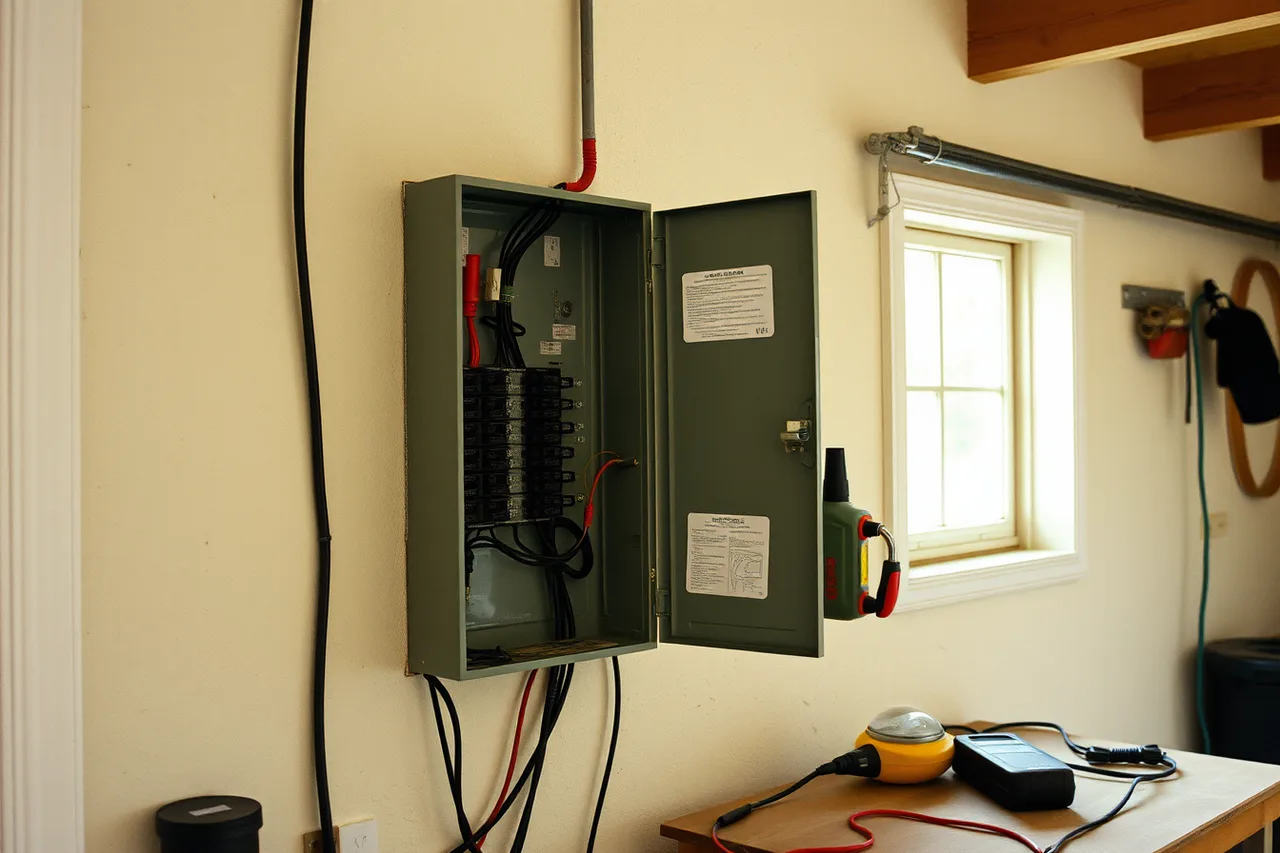
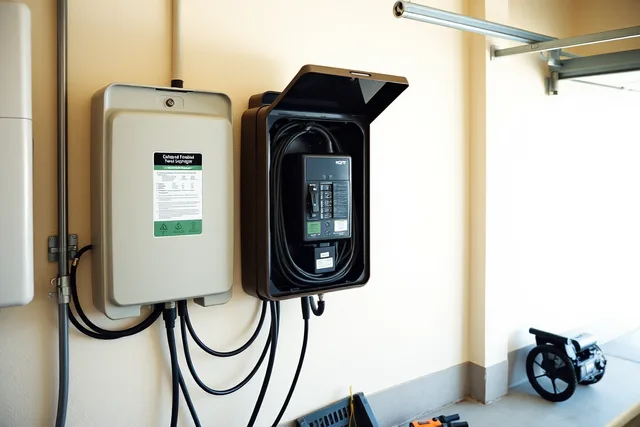
A quote produced from a phone call, with no view of your panel and no idea of the route, is a guess. It will change. A competent installer wants to see the panel, the parking position and what lies between, either in person or from photographs detailed enough to be useful.
Ask what they assumed about your panel capacity, and how they will confirm it. Assessing that honestly is the first real thing a contractor does, and panel schedules are frequently wrong.
Ask about the equipment they propose
Insist the unit is listed by a nationally recognized testing laboratory, and ask which standard. This is a safety baseline, not a preference, and it is increasingly written into requirements rather than left to the buyer. The federal record of mandatory charger building standards shows how jurisdictions are formalizing exactly this expectation.
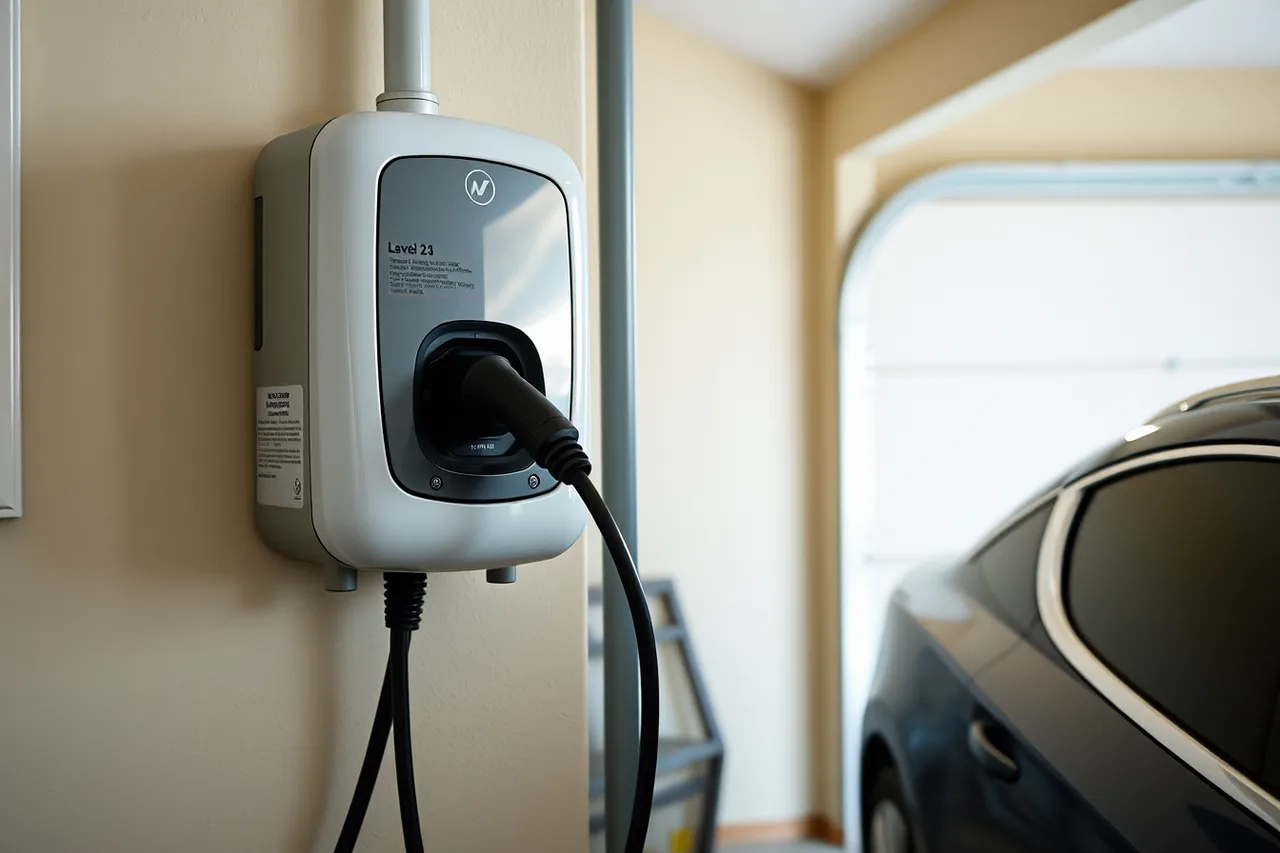
Then ask three practical questions: is the cable long enough for how the car actually parks, is the unit rated for where it will be mounted, and can the cable be replaced without replacing the whole unit.
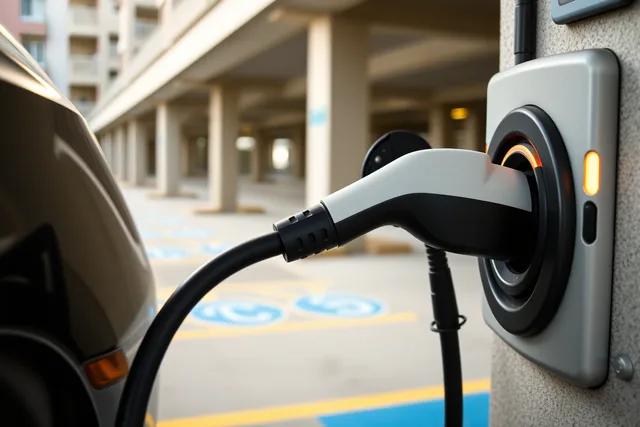
Accessibility becomes a requirement rather than a preference wherever equipment serves shared or public parking, and the design recommendations for accessible electric vehicle charging stations set out what that involves. For a private garage it does not apply. For anything a neighbor might use, it does.
The six things to get in writing
- The total price, and what it excludes.
- Who pulls the permit and who attends inspection.
- What happens to the price if panel capacity is short.
- The warranty on labor, separately from the manufacturer's warranty on the unit.
- A completion date, and what happens if equipment is delayed.
- What the handover includesbreaker location, circuit identifier, serial number, warranty start.
None of that is an unusual ask. An installer who resists putting it in writing is telling you how the job will go.
Two answers that should end the conversation
"You don't need a permit for this." You almost certainly do, and the person saying otherwise is proposing to skip the only independent check on their own work.
"We'll see what the panel looks like on the day." Fine as an honest caveat with a stated price adjustment. Not fine as a way of avoiding the question.
What actually happens during the installation is worth reading first so you can follow the quote, and in a shared building the questions worth putting to every bidder go considerably further than this list.