Industry
Part of How to plan condo EV charging from start to finish
How local installers work with condo EV charging
The local electrician, not the charger vendor, turns a condo proposal into a permitted system. What they do, what to ask, and where they get stuck.
What to take away
- The vendor sells hardware. The local electrical contractor decides whether it can be installed and what it costs.
- Bring the contractor in before the product is chosen, not after the board has committed to one.
- Ask specifically about accessible spaces. It is the requirement most often discovered late and most expensive to fix.
- The inspector, not the vendor, decides what passes. Find out what they want before rough-in.
Boards tend to run this backwards. They meet a charging company, like the presentation, approve a product, and then hire an electrician to install it. By that point the expensive decisions are already made and the electrician's role is reduced to explaining why they cost more than expected.
The people who determine what this project actually costs are local: an electrical contractor, sometimes an engineer, the utility's program staff, and the inspector who signs it off. Involve them while the decisions are still open.
What the contractor actually does
Not just pulling wire. On a condominium job, a competent contractor is doing five distinct things.
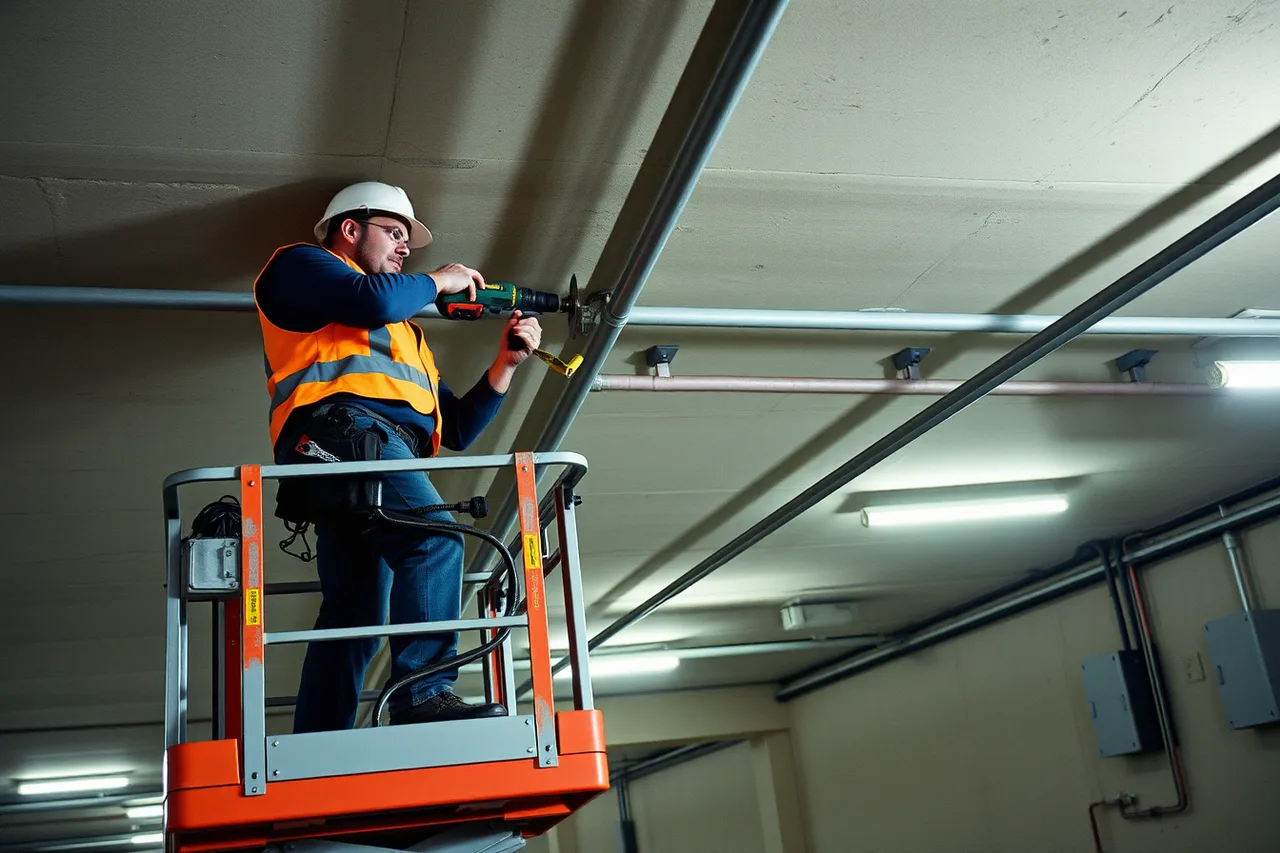
Assessing capacity honestly. What is genuinely spare in the panel, as opposed to what the panel schedule claims. In older buildings those differ, sometimes substantially.
Finding the route. Where conduit can physically go, what it has to pass through, and what that means for fire-stopping, core drilling and finished surfaces. This is where most of the cost lives.
Sizing for continuous load. Charging equipment is treated as a continuous load, which changes how circuits and protection are sized. An electrician who works mostly on residential remodels may not have done it recently. Which code edition your jurisdiction has actually adopted decides the detail, and it is not always the newest one.
Getting it through permitting. Preparing what the local authority wants to see, in the format they want it, and being present for inspection.
Coordinating the utility. If a service upgrade or new metering is involved, somebody has to manage a relationship with lead times measured in months.
Ask about accessibility early, and specifically
This is the requirement boards discover last and pay for most.
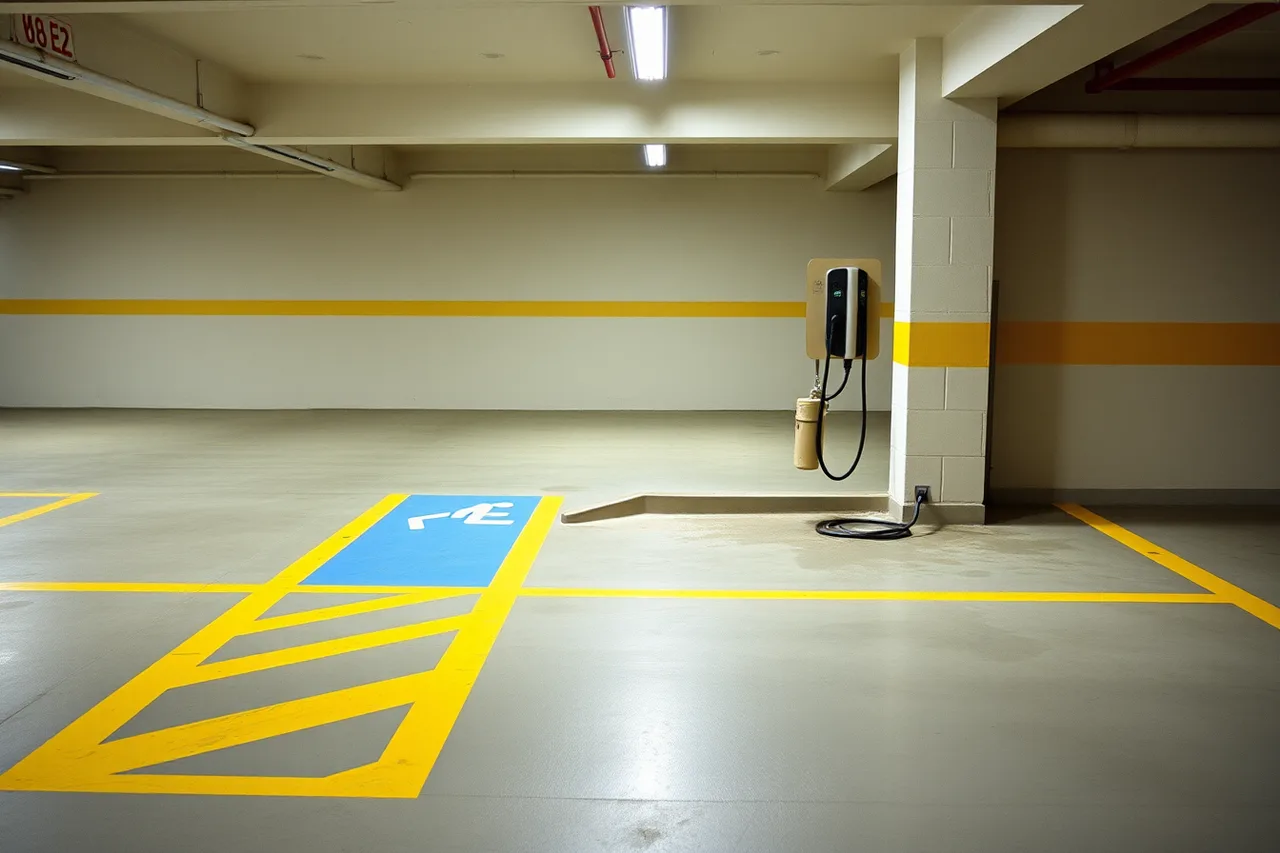
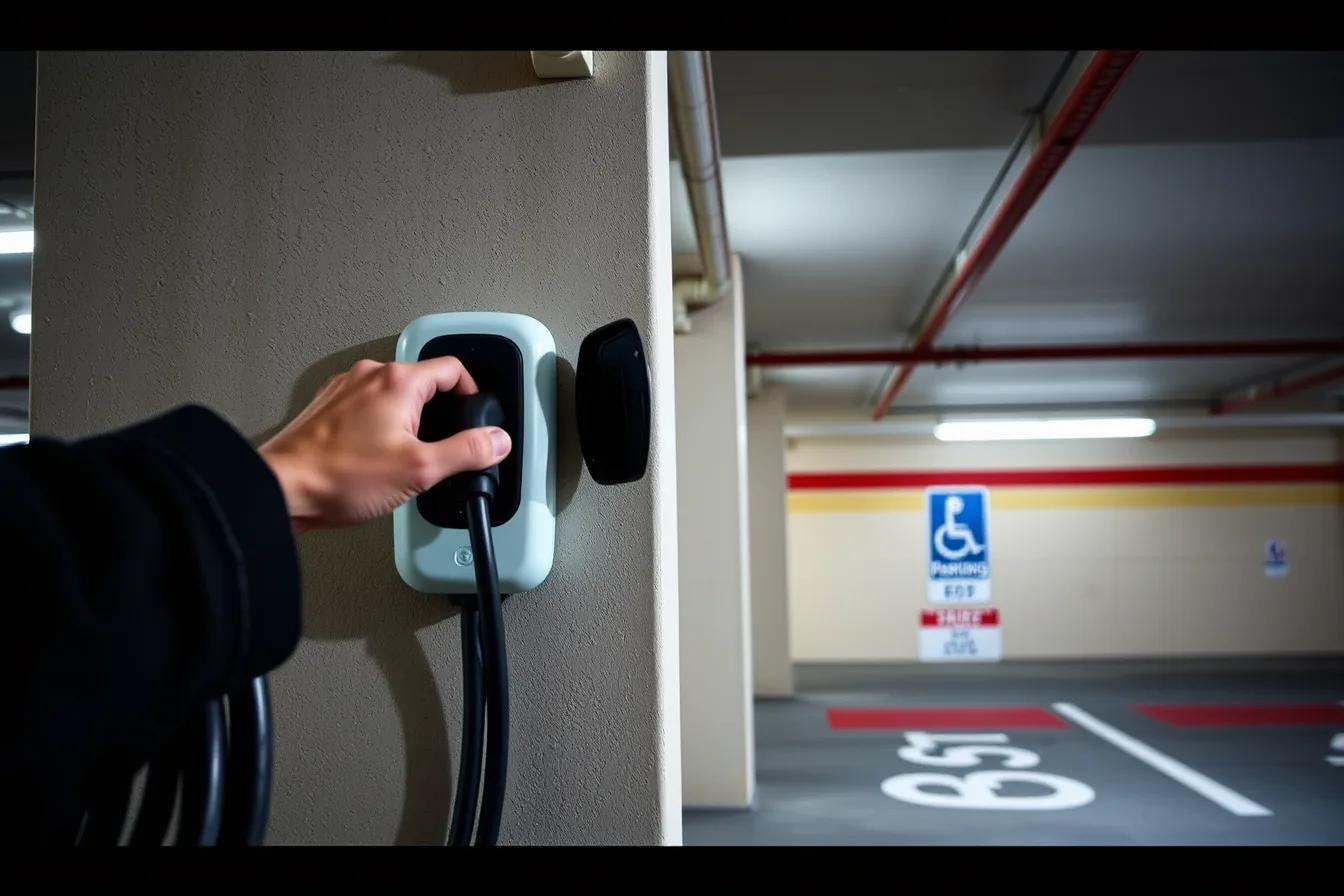
Charging spaces interact with accessible parking rules. Getting it wrong can mean moving equipment already set in concrete.
Hand your contractor the federal overview of ADA compliance for charging infrastructure before layout. The Access Board's guide to accessible parking spaces covers the dimensions and access aisle requirements a charging layout must respect.
Ask your contractor directly: does this layout obstruct an access aisle, does a connected cable cross an accessible route, and is the equipment reachable from a seated position. If the answer is a shrug, get a second opinion before the concrete is poured.
What to ask before you hire
- Are you licensed for this work in this jurisdiction, and can you show current insurance?
- How many charging installations have you completed in shared buildings specifically?
- Which code edition is our authority enforcing, and how does that affect this design?
- Will you handle the permit, or is that ours?
- What does your price exclude?
- Who returns if something fails in month four, and how quickly?
- Have you worked with our utility's program before?
That last question is worth more than it looks. A contractor who has been through the utility's process knows the forms, the timelines and the person to call.
Questions before hiring an installer
- Licensed here, with current insurance shown
- Charging jobs completed in shared buildings
- Which code edition our authority enforces
- Who files the permit, you or us
- What the price excludes
- Who returns if it fails in month four
- Have you worked with our utility
Where local installers get stuck
Access to the building. Garage work needs coordination, notice to residents, and sometimes vehicles moved. A contractor who cannot get to the work bills for the day anyway.
Where condo charging projects stall
- Garage access and resident notice
- Board has not settled ownership or billing
- Undocumented existing circuits found
- Utility service upgrade lead times
Decisions the board has not made. If the ownership model, billing method or access rules are unsettled, the contractor cannot finalize the design. The facts a designer needs before drawing anything are worth collecting while the board is still deciding. Projects stall here more often than on anything technical.
Undocumented existing work. Older buildings contain circuits nobody can account for. Budget contingency and time for it.
Waiting on the utility. Outside everyone's control, including the contractor's.
How to treat the relationship afterward
The contractor who installed the system is the one who knows where the conduit runs and why a circuit was fed the way it was. That knowledge is worth keeping.
Get as-built information before final payment: circuit identifiers, breaker locations, conduit routes, and any deviation from the permitted drawing.
Agree a service arrangement at the same time, while you have their attention, rather than calling a stranger when a cable fails in February. What that arrangement has to cover runs from the monthly walk-round to the annual electrical inspection.
Which product ends up on the wall should follow from this work rather than precede it. What to compare between products is the next step, and the planning order explains why the contractor belongs in the conversation this early.