Guides
Part of Apartment Level 2 charger care plan: who owns service?
Apartment Level 2 charger care checklist: observe and route
A monthly walk checklist for apartment Level 2 charger care: what staff can see, what to record and which owner hears each observation.
A monthly walk through the parking area is a simple way to watch the property side of a shared charging service. Staff look, note and route. They do not repair anything or touch electrical work. Anything technical goes through the provider agreement, manufacturer guidance, and the qualified service process.
What to take away
- Walk the site monthly and write down what you see as an observation, not a finding.
- Check contact details and posted wording before looking at the hardware.
- Route every observation to a named owner instead of fixing it.
- Repairs, settings changes, firmware, wiring and panel work are never checklist tasks.
Start with the contact check
Do the paper checks first, standing at the parking spot. If the posted contact or the use instructions are out of date, a resident who reports a problem may not reach anyone who can act on it.
- The resident support route and provider contact are current.
- The published use instructions and parking message have no outdated wording.
- The station ID is noted, with where it sits on the property, before anything is logged about a charger.
- What was seen or reported is recorded with the date and who reported it, through the property's existing process.
- Open reports show a current provider reference, status, or next owner.
- Escalation goes only through the agreement-covered decision path.
What to look at on the walk
Most of the care a property team handles directly is watching and reporting. Note anything a driver or staff member can see, then record it as an observation.
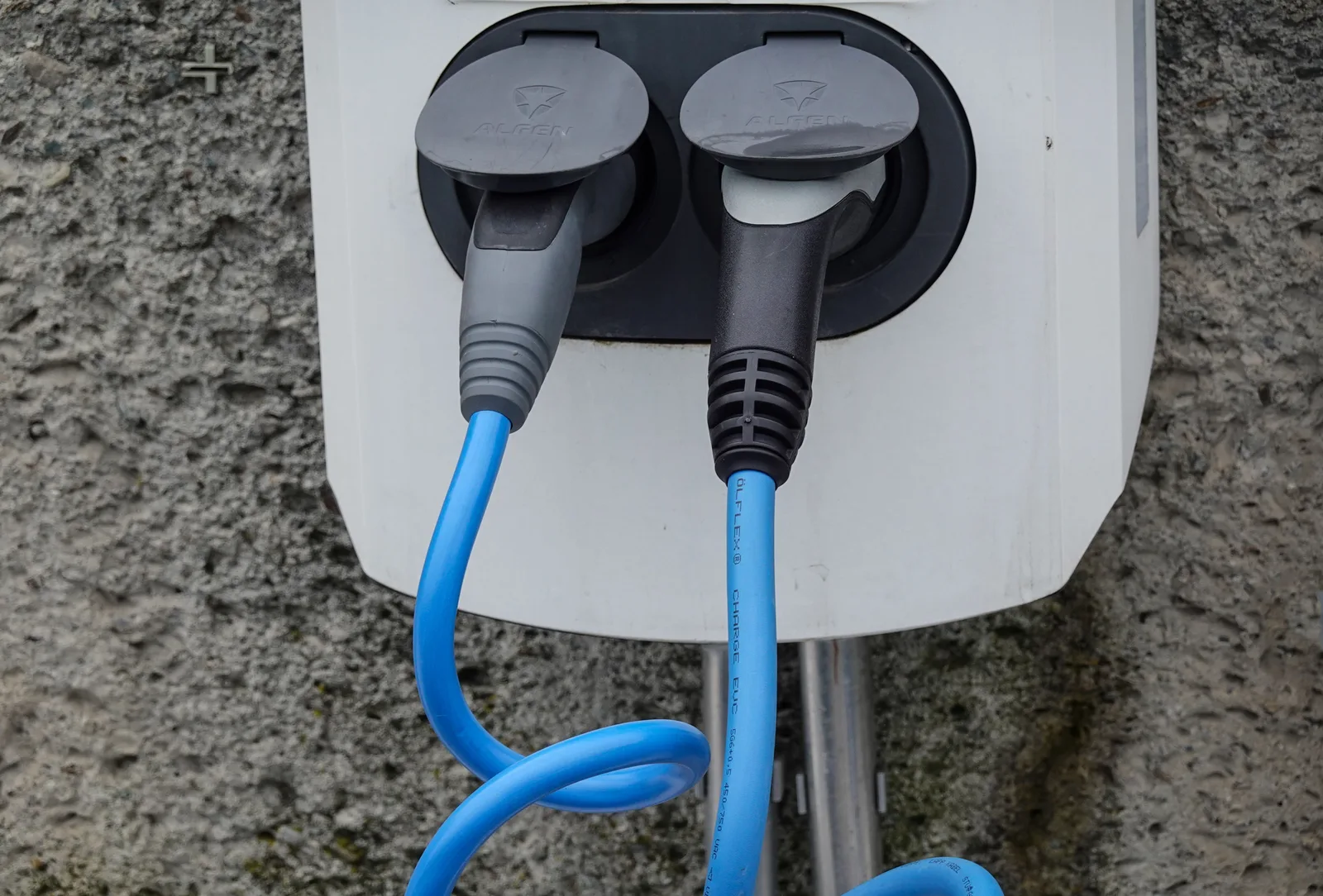
- Cable and connectorcuts, frays, burn marks, a cracked housing, or a connector that will not latch.
- Connector storageleft in its holster and kept clean and dry instead of on the ground.
- Station facea screen or indicator light that no longer responds.
- Around the pedestalstanding water, snow, ice, leaves, or trash that blocks airflow or access.
- Softwarewhether the provider says the latest manufacturer firmware is loaded.
For a picture of the equipment behind these items, read how EV charger installation works.
What staff leave to others
Repairs, settings changes, and firmware installs are not checklist tasks. Wiring, panel work, permits, and inspections belong to a licensed electrician and the local authority having jurisdiction that enforces the National Electrical Code.
Staff should not diagnose equipment, alter settings, or handle a reported condition outside the property's approved technical-service route. What the local electrician does is a separate job. The purpose of the walk is to spot a gap early enough for the appropriate owner to address it.
Who pays for electricity and service, whether the property, the provider, or the driver, is set in the provider agreement. The budget models and who pays explain the choices.
The Department of Energy's Alternative Fuels Data Center calls operations and maintenance important elements of EV charging infrastructure procurement and installation, in its operation and maintenance overview. For an apartment property, that supports a recurring ownership and communication review.
It does not turn a checklist into a maintenance manual or authorize unqualified work.
Where each observation goes
Each observation needs a next route. The table pairs the review items with the owner who should hear about them, so the walk ends with a handoff instead of a guess.
| Review item | Useful observation | Next route |
|---|---|---|
| Support instructions | A posted contact is outdated or unclear | Property communications owner |
| Open report | No current provider reference appears in the record | Approved provider-support route |
| Site access | A property rule or sign needs a policy review | Property operations authority |
| Reported condition | A resident or staff member has reported a concern | Existing service or safety process |
| Provider schedule | A planned visit has no confirmed status | Provider contact and decision owner |
Where the observation concerns a posted rule, how building rules affect installation gives background. A useful review ends with a plainly stated next step. It might be an updated phone number, a provider follow-up, a decision about a resident notice, or confirmation that no action is currently needed.
Before a provider visit
When a visit is planned, five items belong in the record first: scope, owner, resident effect, notice, and closeout. The figure keeps them in one place.
Before a provider visit
- Scopecurrent station or service identifiers
- Ownerauthorized decision maker and provider contact
- Resident effectconfirmed availability or limitation
- Noticeapproved message and next update point
- Closeoutprovider reference and recorder
Do not tell residents that service will be unavailable or restored at a particular time unless the current responsible source has confirmed it. A planned window can change. Record a provider visit as planned until the provider confirms an outcome.
An FHWA review of EV charging P3 practices notes Oregon's NEVI approach includes a multiyear operations and maintenance agreement with performance-based elements and a handover. Read the FHWA EV charging P3 review. It does not set a rule for an apartment. It illustrates why the checklist should name who owns a handoff instead of assuming responsibility continues unchanged. The questions to ask a bidder belong before any agreement is signed.
Keep a small, factual record of the walk
Use a dated entry with the review result, source, owner, and next date. If the provider says a visit was planned, write that it was planned. If the provider reports work complete, identify that report.
Avoid vague notes such as "resolved" unless the responsible source has confirmed the outcome relevant to the property.
A sample entry: pedestal by the visitor bays, connector storage. Cable seen lying on the ground. Source: staff walk. Owner: approved provider-support route. Next date: the following monthly walk, to see whether the provider has confirmed an outcome.
Store credentials, payment information, and detailed provider-console records only in approved secure systems. Keep the property record a simple operating index.
Common questions
Is a resident complaint a maintenance diagnosis?
No. Record what the resident reported and route it through the approved support path. A responsible source must confirm any diagnosis.
Should staff test a charger after a provider visit?
Follow the site's approved process. Do not ask staff or residents to perform technical checks outside their authority.
What belongs in the annual review?
Update contacts, agreement references, current resident instructions, open items, and ownership of the next decision.