Guides
Part of Level 1 Charging for Multifamily Housing: What to Verify
How to screen Level 1 EV charging resident fit
Use daily energy, parking time, vehicle and cordset details, and imperfect-week scenarios to screen Level 1 EV charging resident fit for shared-property pilots.
Level 1 EV charging resident fit depends on recoverable daily energy and actual parking time. A short commute alone does not prove that a resident can replace the energy used between departures.
What to take away
- Screen energy needs and parking time together, not as separate checkboxes.
- Use a missed night and a longer trip as part of the fit test.
- Confirm the specific vehicle, cordset, parking space, and electrical arrangement.
- Treat uncertain cases as pilots with a scheduled reassessment.
Estimate daily energy
Daily energy inputs
- Routine travel range
- Longer days driving
- Weekend driving
- Vehicle efficiency
- Starting battery reserve
- Seasonal change
- Separate PHEV from BEV
Avoid converting every answer into one promised mileage figure. The Alternative Fuels Data Center's consumer EV guide describes Level 1 as suitable for overnight charging of a smaller plug-in hybrid or a partially depleted all-electric vehicle, while Level 2 generally adds more energy overnight.
For an apartment, condo, or neighborhood program, treat the screen as a resident-level input to a shared charging plan, not approval of a particular installation.
Level 1 charging typically delivers about 1.2 to 1.4 kW, which adds roughly 3 to 5 miles of range per hour.
A 40-mile daily commute needs about 10 to 13 kWh, assuming a typical 0.25 to 0.33 kWh per mile. Divide that need by the charging power and the available hours to see whether the overnight window covers the routine day.
Worked example: a 40-mile commute with a 10-hour window. At 1.2 kW, 10 hours adds about 12 kWh, enough for roughly 36 to 48 miles, so this is a likely fit.
If the routine window is only 6 hours, the same setup adds about 7.2 kWh, enough for 22 to 29 miles, a poor fit. The exception plan for the poor-fit case could be one weekly Level 2 session or a rotating shared Level 2 stall.
Measure usable dwell time
Record arrival and departure ranges, days parked elsewhere, shared-stall turnover, gate access, outages, and nights when the resident may not connect. Use the shortest routine window as a stress case. As a working rule, use 8 hours of connected time as the minimum routine window for Level 1 screening.
Use the routine parking window, not the best-case overnight window. Treat any preliminary range estimate as a screen rather than a guarantee.
Verify vehicle and equipment
Confirm the vehicle's AC charging capability, connector, approved cordset input, plug type, cord reach, environmental limits, and manufacturer instructions. Ask whether the resident owns a compatible, safety-certified cordset and what happens if it is damaged or replaced.
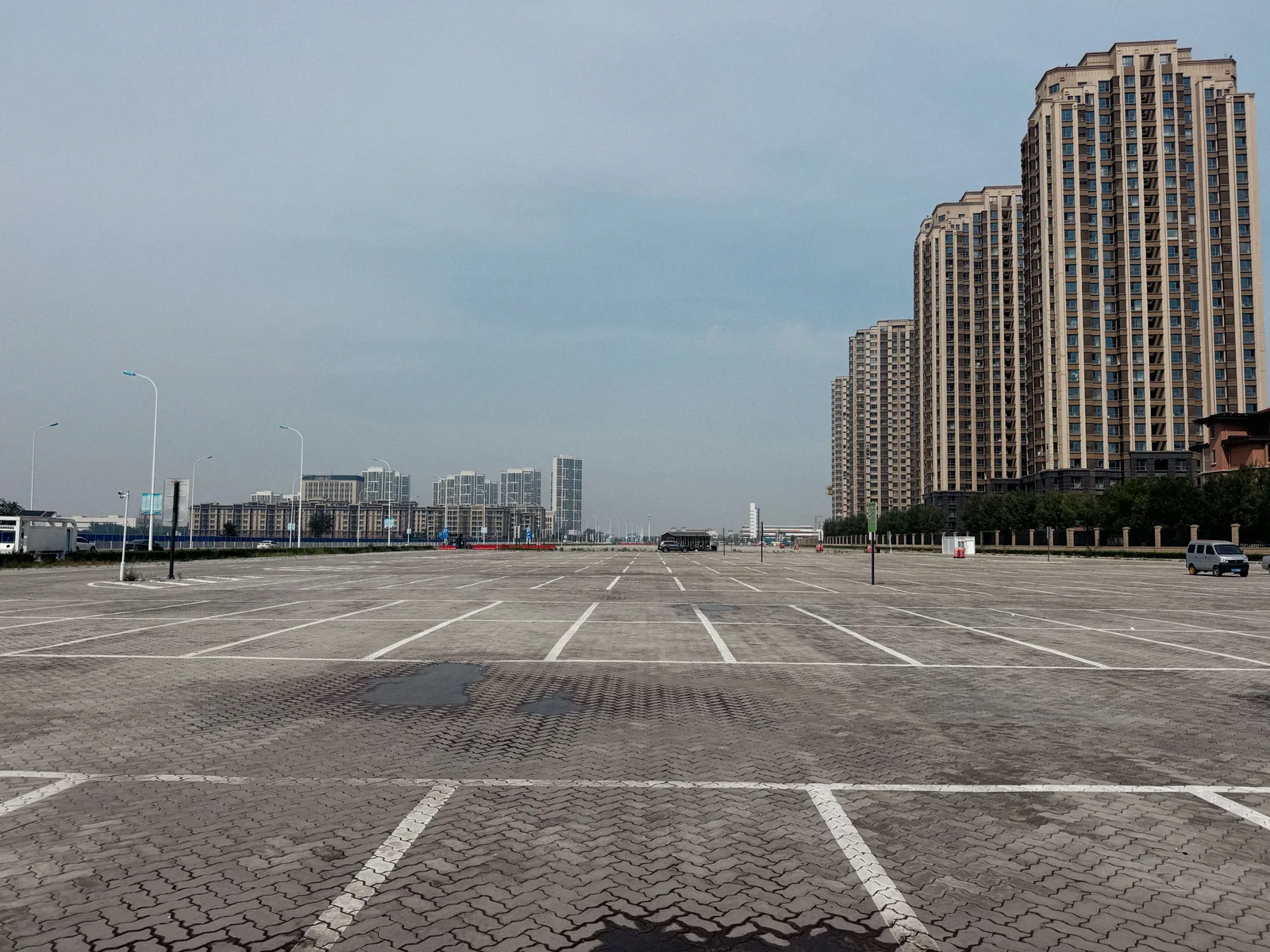
In an apartment, condo, or neighborhood program, apply the screen to the proposed setup: a resident's assigned outlet and cordset, or access to a shared charging stall. Record who provides and maintains the outlet or charging equipment, how the resident accesses any shared Level 2 exception, and how that use is paid for; a resident-level energy fit does not by itself establish that the property's installation or operating arrangement is ready.
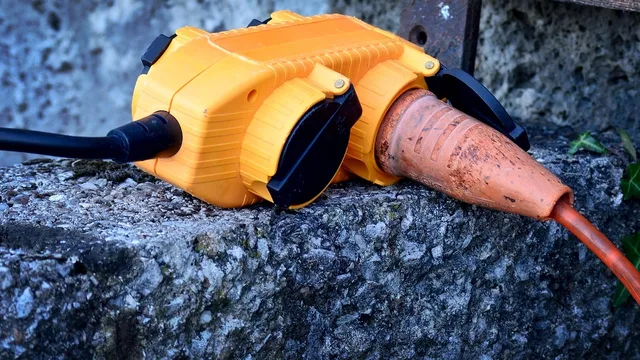
Typical Level 1 charging uses a 120-volt circuit, often a dedicated branch with GFCI protection, and a cordset rated for the vehicle's draw, commonly 12 amps.
The Occupational Safety and Health Administration's electrical topic page describes electrical hazards and related safety resources.
Test imperfect weeks
Model one missed charging night, a longer trip, an outlet outage, reduced dwell time, and a low starting state of charge. Identify a practical alternative for unusual high-energy days.
Residents with longer commutes or irregular schedules may need a faster option or a practical plan for occasional high-energy days.
Make a reversible decision and keep it current
Classify the result as likely fit, fit with an exception plan, uncertain and suitable for a pilot, or poor fit. Record the assumptions and a date for review.
Validate with delivered energy and resident experience before scaling. If routine unmet need appears, change the charging level or operating plan rather than blaming the resident for a mismatch the screen should have caught.
Review after a vehicle replacement, parking reassignment, schedule change, longer commute, new household driver, or recurring outlet outage. Give the resident a simple way to request reassessment without disclosing unnecessary trip details.
Record the changed input, revised conclusion, temporary charging plan, and any move to low-power Level 2. Aggregate the results so the property can see whether individual exceptions are becoming a program-wide capacity need.
The Department of Energy's EVSE infrastructure training treats charging equipment as part of a broader facility infrastructure system.
Keep a clear pilot record
For a pilot, keep the original screening inputs, the resident's agreed operating plan, delivered-energy observations, missed-charge reports, reassessment date, and any change made. Avoid collecting detailed travel information that the property does not need to operate the program.
The useful record explains why the pilot began, what it tested, and whether the original fit conclusion still describes the resident's situation. A typical reassessment interval is 90 days after the pilot begins.
The National Archives guide to basic records-management concepts explains that records are managed through defined life-cycle activities.
Fit-screen record
| Input | What to document | Recheck when |
|---|---|---|
| Daily energy need | Routine and longer-trip use | Commute or vehicle changes |
| Parking window | Arrival, departure, and missed nights | Stall or schedule changes |
| Equipment | Vehicle input and approved cordset | Cordset replacement or recall |
| Exception plan | Alternative charging for shortfalls | Repeated unmet-energy reports |
| Pilot result | Delivered energy and resident feedback | Before wider rollout |
Common questions
Is a short commute enough to approve Level 1?
No. The decision also depends on parking time, the vehicle, missed connections, and the electrical arrangement.
Why include a missed charging night in the screen?
It shows whether a routine disruption creates an operational problem or only a manageable exception.
When should the property repeat the screen?
Repeat it after a change in vehicle, parking, travel pattern, electrical condition, or a pattern of unmet need.