Guides
Part of How to plan dual-port EV chargers for multifamily parking
Dual-port vs single-port EV chargers: how to pick for apartment sites
Compare dual-port vs single-port EV chargers for apartment stalls: circuits, cable reach, outage redundancy and cost per usable port.
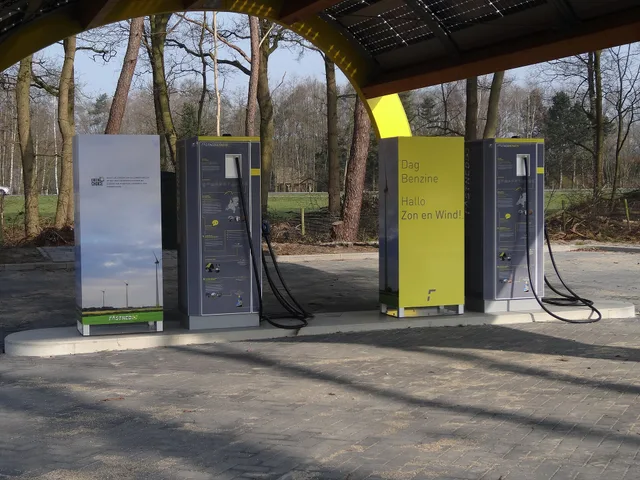
Dual-port and single-port EV chargers only compare cleanly when both deliver the same thing: two parking spaces, the overnight energy residents need, and a cable that reaches a charge port without crossing a drive aisle.
What to take away
- Price two-stall service, never the pedestal alone. One dual-port unit and two single-port units are different products with different failure modes.
- A dual-port unit can run two branch circuits or split one. Two single-port units can join one managed system, so enclosure count does not set demand.
- Ask the manufacturer in writing whether one side stays live when the other fails. That answer decides your outage plan.
- Weigh cost per usable port, not cost per enclosure, across the same analysis period.
- Dual-port is not automatically cheaper. The decision flips to two single-port units when the stalls sit apart, when one failure must not take both ports down, or when staged replacement matters.
- Keep the two-stall scenario, field test and cost comparison together so a later substitution is judged on the same basis.
Verdict. A dual-port unit wins when both stalls sit on one mounting point, share one trench and one feeder, and the manufacturer confirms each port stays live if the other fails.
Two single-port units win when the stalls sit apart, when each stall needs its own failure domain, or when you plan to replace stalls in stages.
Worked example. Use the typical figures in the FAQ below, not a quote. Two single-port units at $3,000 of hardware per port plus $2,000 of mounting and trenching per stall come to roughly $10,000 for two stalls.
One dual-port unit at $3,000 of hardware per port with one enclosure and one trench run comes to roughly $8,000. That gap sits inside the spread of a real bid, so price both options on your own drawings.
Dual-port and single-port models bidders name
Five brands cover most apartment bids, and each pairs ports differently.
Enel X JuicePump 2. A dual-port Level 2 pedestal built for shared parking. Both ports share one enclosure and one controller, so a controller fault can take both sides offline. Enel X sells it through fleet and multifamily programs, and pricing is quoted per project.
ChargePoint CP6000. A single-port commercial unit. Two of them on one panel give independent failure domains, which suits sites where a dead stall stops a resident from charging. ChargePoint prices hardware plus a per-port software subscription.
Blink IQ 200. A single-port commercial unit with the same logic: one unit, one port, one service call. Blink sells hardware and network plans separately.
Wallbox Pulsar Plus and Copper SB. Single-port units sold in pairs for garages and small lots. They cost less per unit than commercial pedestals and carry lighter network features.
Autel MaxiCharger AC. Sold in single and dual output configurations. The dual version shares one enclosure, which puts it in the same failure class as the JuicePump. Confirm which configuration your quote covers.
None of these are recommendations. They are the units your bidders will name, and they differ in exactly the places the table below measures.
Circuits and delivered energy
List branch circuits, configured current, simultaneous demand, and panel positions. Add conductor runs, controls, and upstream capacity. A dual-port enclosure can use two circuits or divide one. Two single-port units can sit inside a broader managed system, so enclosure count alone does not set demand.
Then test delivered energy with both stalls occupied during the same demanding week. A shared circuit that splits power looks fine on a spec sheet and fails on a Tuesday night in January.
The GSA P100 electrical addendum describes federal Level 2 chargers with a maximum of two ports, plus pathways that reach at least two adjacent vehicle locations. That standard does not decide your layout.
Your authority having jurisdiction sets the electrical requirements, and in most U.S. jurisdictions the load calculation follows NFPA 70, the National Electrical Code — Article 625 for EV charging equipment and Article 220 for feeder and service loads. A licensed electrician or professional engineer signs the load calculation.
Stalls, cables and physical work
Price foundations or wall mounts, trench length, conduit, and wiring. Add network equipment, bollards, restoration, and cable management.
Two separate locations often fit irregular stalls better. A shared pedestal gives a cleaner pair only when both cables, controls, clear space, and protective posts work from one point.
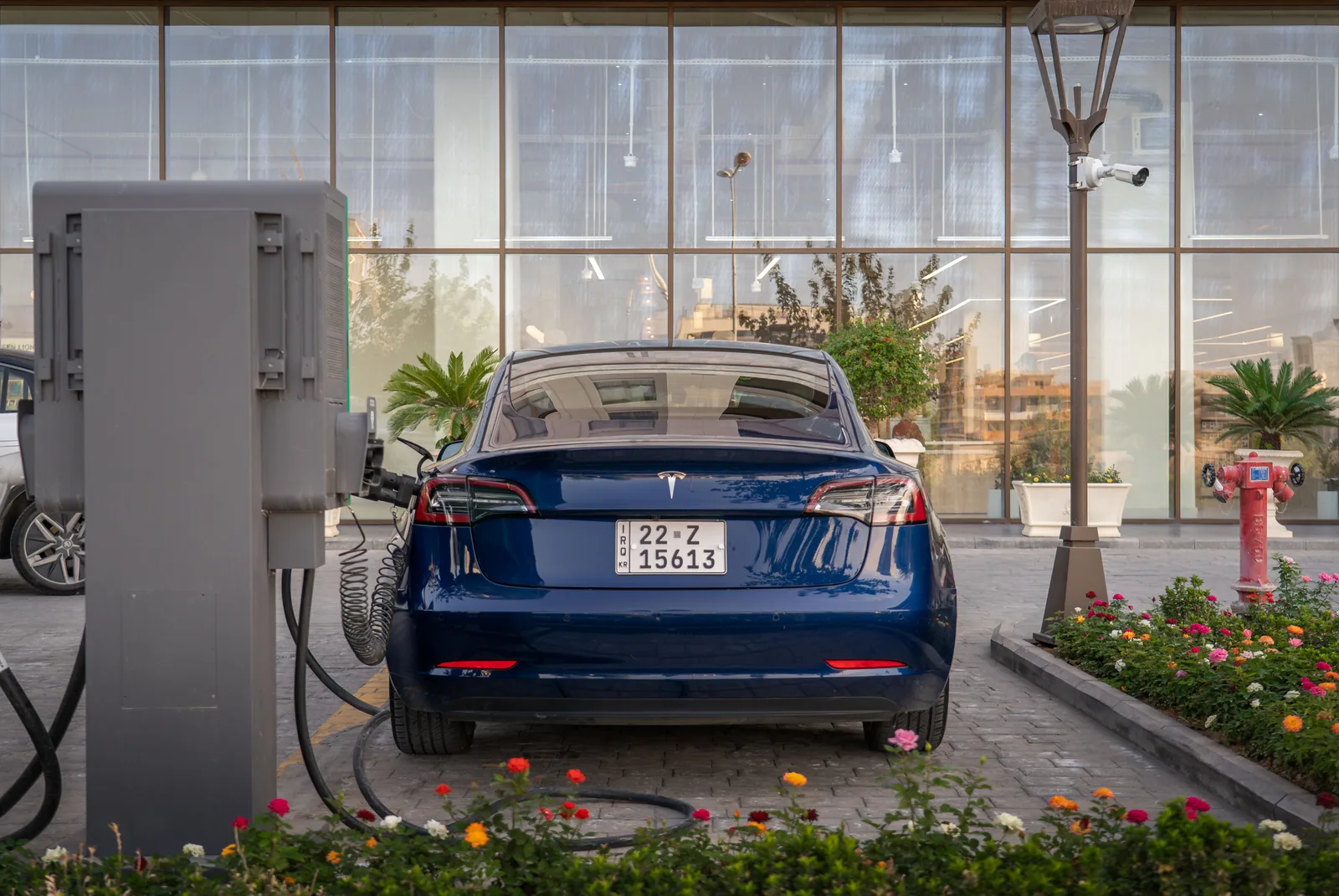
Measure cable reach to the far corner of each stall, not to the stall center. A cable that falls short turns a working charger into a reserved space nobody can use.
The U.S. Access Board's EV charging accessibility guidance covers accessible routes, operable parts and related charging considerations. It does not decide whether your site complies; the local building official and accessibility code authority do.
Failure, repair and outages
Map a damaged cable, failed display, controller fault, and breaker trip. Also map impact, modem failure, and enclosure replacement. Ask whether one side of a dual-port charger stays active, and whether a single-port unit can be swapped without disturbing its neighbor.
Calculate unavailable port-hours, resident relocation and the service-call invoice. If a shared controller takes both ports offline for six days, the outage cost is twice the repair cost.
Controls and operations
Test permissions, rates, sessions and refunds per connector. Test alarms, exports and administrator roles per connector. Decide whether staff see two clear assets or one asset with two child ports. Include network and software charges at their actual billing unit, which is usually per port per month.
The Department of Energy's smart-charge management guidance describes coordination among facilities, vehicles, charging stations and energy systems. It does not tell you how a given product shares ports; the manufacturer does.
Ask each network whether it supports the Open Charge Point Protocol, or OCPP. An OCPP-compliant charger can move to a different network provider without replacing hardware, so software pricing does not lock you in for the life of the equipment.
Who pays for what
The money usually splits three ways. The owner or HOA funds hardware, trenching, panel work and permits as a capital cost, sometimes with a utility make-ready program covering part of the infrastructure. The network operator bills the property for software and support per port. Residents pay per session or through a monthly fee, or the property treats charging as an amenity and absorbs the cost.
Change flexibility and deployment sequence
Plan for stall reassignment, an accessible-layout change, a connector transition, or a discontinued model. Higher future power and phased expansion belong in the same review. Two independent units allow a partial change. One shared enclosure simplifies standardization.
Show how each option installs while the parking area stays in use. A single pedestal may need one large closure; two wall units may be finished in separate visits. Include temporary barriers, resident notices, inspection access, network activation and the gap between energizing the first and second port.
Define partial acceptance. If one connector or one unit fails its test, decide whether residents can use the verified side and how payment, warranty start and contractor closeout are handled.
Comparison record for two stalls
Dual-port unit
- Named examples
- Enel X JuicePump 2, Autel MaxiCharger AC in its dual form
- Electrical behavior
- Shared or independent limits
- Physical work
- One enclosure, paired cables
- Failure effect
- Common components can affect both ports
- Operations
- Two ports under one asset record
- Change path
- One larger replacement or standard platform
Two single-port units
- Named examples
- ChargePoint CP6000, Blink IQ 200, Wallbox Pulsar Plus or Copper SB
- Electrical behavior
- Independent units or wider controls
- Physical work
- Two locations, separate hardware
- Failure effect
- One unit may stay available
- Operations
- Two distinct asset records
- Change path
- Staged replacement possible
Evidence to compare
- Named examples
- Quote, spec sheet and port count
- Electrical behavior
- Measured two-vehicle result
- Physical work
- Drawings, routes, protection, field mockup
- Failure effect
- Isolation, repair and port-hour scenario
- Operations
- Access, billing, support and reporting test
- Change path
- Expansion and discontinued-model plan
Score each row against your own weights.
Work the file in one order: two-stall scenario, electrical records, field test, operating assumptions. Then cost comparison, exceptions, and the final decision.
If a proposed unit, cable, control tier, stall layout or construction route changes, rerun the comparison against the same resident-service baseline. Otherwise a substitution gets approved because the enclosure looks similar while its reach, power behavior or outage profile is not.
Common questions
Is a dual-port charger always cheaper?
No. The answer depends on what it takes to deliver the same service to both stalls: circuits, routes, mounting and cables. Protection, software and repair belong in the same sum.
As of 2026, networked commercial Level 2 hardware typically quotes at $2,500 to $6,500 per port before wiring, and trenching or concrete work typically adds $1,500 to $8,000 per stall in most markets. Network software usually bills per port per month, often $10 to $30. Get current figures from your own bids.
What happens if one side of a dual-port charger fails?
That depends on the product. Ask the manufacturer in writing whether the second port stays energized and whether a shared controller, modem or breaker can take both sides down. Then write the answer into your outage plan.
Why does deployment sequence matter?
The path to energization drives parking closures, resident notices, inspection timing, partial acceptance and the date usable service begins. It also sets when warranty coverage starts on each port.
Who decides whether my site complies?
Compliance sits with the authority having jurisdiction, the local fire marshal, the building official and the accessibility code authority. HOA covenants and right-to-charge questions go to the association's governing documents and a qualified attorney.