Guides
Part of Apartment EV charger access observation: how to log a concern and refer it for review
Apartment EV charger signage observation: what to record
Use an apartment EV charger signage observation template to record exact wording, location, condition, and the right follow-up contact.
An apartment EV charger signage observation captures a missing, confusing, blocked, outdated, or inconsistent message around a charging area. It may cover a garage direction sign, space marking, charger label, start instruction, or time-limit notice. A related apartment EV charger signage check may also include pricing notices and support contacts.
The check creates a clear record for the person responsible for the message to review, and it sets no parking rule, interprets no traffic requirement, and authorizes no sign change.
What to take away
- Identify the message, its location, and the job it was meant to do; record its exact visible wording.
- Keep wayfinding, station instructions, and property rules as separate questions.
- Save only the evidence needed to show the observed information gap.
- Ask the owner of the message for the current source and next step.
Describe the sign before describing the problem
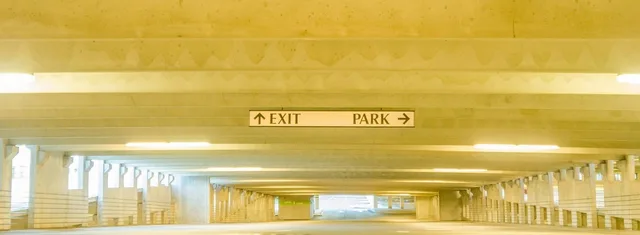
Start with what a driver or resident needed to know. A directional sign helps find the charging area, and a space marker shows where to park. A screen or placard may explain how to start a session, who may use the station, or where to get help.
Record what was observed: not visible from the garage entrance, partly obscured, different from the charger label, missing a contact, or inconsistent with another current notice.
Transcribe the words exactly as displayed, preserving capitalization, punctuation, prices, and line breaks when practical. Mark only the part you cannot verify as “[unreadable]” or “[missing]”; do not silently correct spelling or infer text from another sign.
Record template: Date observed; charger or space reference; sign category; exact wording; precise location or viewpoint; condition and visibility; information gap; evidence attached; responsible contact and question.
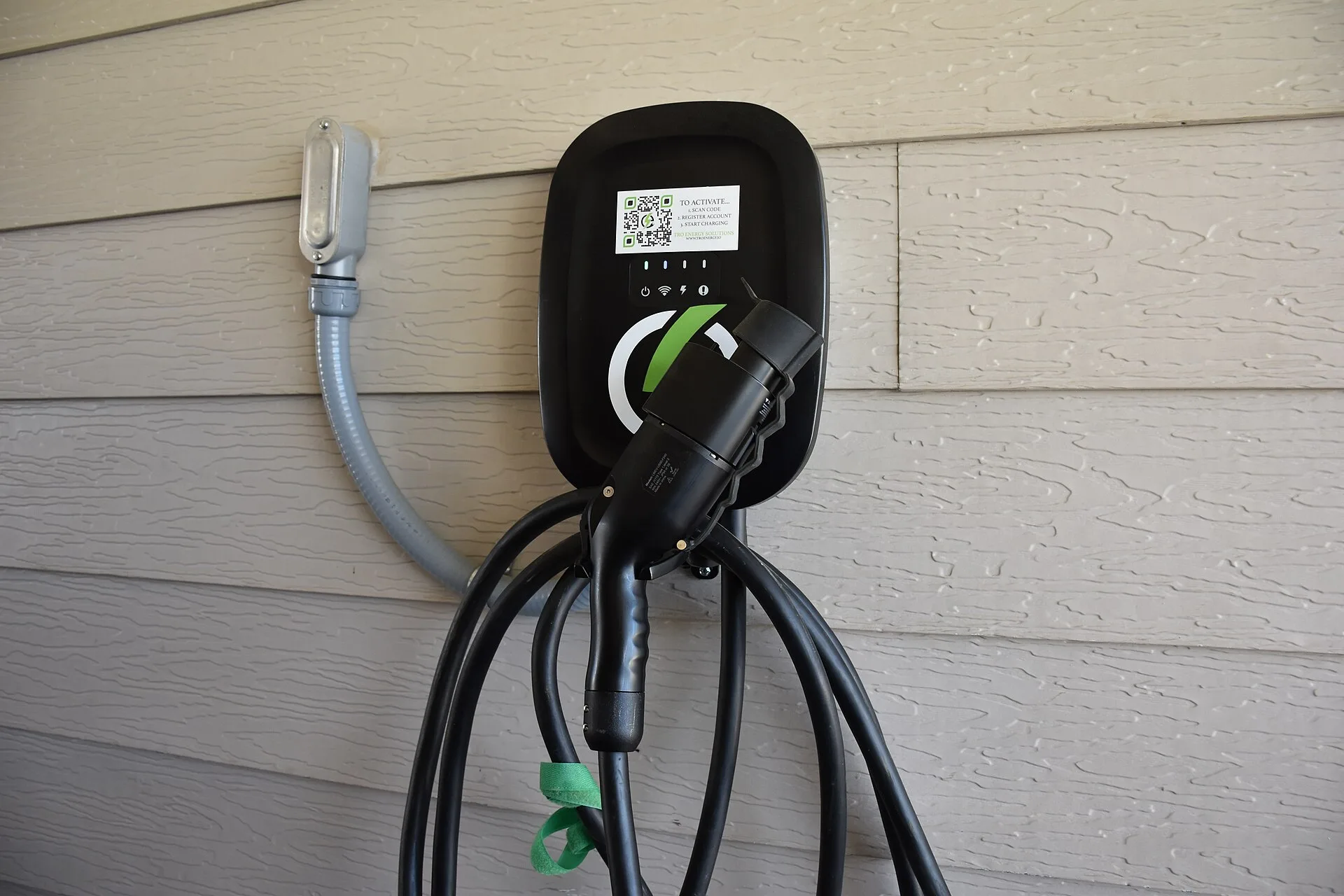
Illustrative completed entry: Category: start instruction. Location: wall beside the charger. Exact wording: “EV charging only while charging. Scan QR code to start.” Condition: lower line partly obscured. Information gap: the full start instruction cannot be read. Question: please confirm the current instruction and who can update the sign.
The U.S. Department of Energy's Alternative Fuels Data Center treats wayfinding and station signs as separate categories. It says station information can address access, hours, and time limits; Read the Alternative Fuels Data Center's EV charging signage overview.
That guidance does not become an apartment property's specification, but it supports asking what the particular message was supposed to communicate.
| Message | Useful observation | Question for the owner |
|---|---|---|
| Direction sign | Not visible from the normal garage approach | Is another sign planned or currently in place? |
| Space label | Parking-space number differs from charger label | Which asset reference is current? |
| Start instruction | Does not explain the current support route | Who controls this provider message? |
| Use notice | Appears different from a newer property notice | Which dated policy should staff follow? |
Keep different owners and rules apart
One charging area can contain messages owned by different parties. A property team may own a garage rule, and a service provider may own a screen message or help line.
A public authority may govern traffic-control signs outside the property. For a sign in an apartment building's common area, start with the property manager or owner, or the HOA or condo board responsible for that area. For a charger screen, app, or network instruction, contact the provider identified on the charger or service materials. Ask who owns the message and who would handle and pay for a correction; the observation itself does not establish responsibility. For a possible building, accessibility, fire, or parking-code issue, ask property management to identify the applicable local requirement and authority. Depending on the location, that may be a city or county building department or code-enforcement office.
The Federal Highway Administration publishes the Manual on Uniform Traffic Control Devices, including its sign provisions. Consult Part 2 of the current MUTCD when an authorized reviewer needs the federal manual for a traffic-control sign.
The MUTCD is not a general specification for signs inside private apartment properties. There is no single federal wording template for every private apartment charger sign, and a report should not claim a sign violates a requirement without confirmation from the property or the authority responsible for the applicable local rule.
Preserve useful evidence without oversharing
A dated photograph can help show a sign's wording, position, or obstruction. It can also capture license plates, residents, access codes, and unrelated property details. Before attaching an image, consider whether a written description and location are sufficient. If a photo is needed, follow the property's approved process and remove or limit unrelated personal details where possible.
The NIST Privacy Framework provides a voluntary approach to managing privacy risk. For signage observations, its practical lesson is simple: collect the information needed to explain the issue and handle it through the organization's established practices. The framework does not dictate a retention period or make a signage note a legal privacy determination.
Close the loop with a dated response
The record is more valuable if another staff member can see what happened after the report. Save the provider or property response with its date. State whether the response confirmed current wording, requested a replacement, or referred the matter elsewhere. Do not revise the original observation to make it sound as though the later answer was known at the time.
The National Archives describes records management as work across a record's lifecycle, from creation through maintenance, use, and disposition. Review the National Archives basic records-management concepts. A property should apply its own records policy to the observation, supporting material, and response rather than relying on an untracked email thread.
Signage observation checklist
- Note the charger or parking-area reference and the precise sign location.
- Identify whether the message is wayfinding, station instruction, support information, or a property notice.
- Transcribe the visible wording exactly; mark unreadable or missing portions and describe the sign's condition.
- Attach only the allowed evidence needed to show the issue.
- Name the information owner and retain its dated reply.
Common questions
Does a missing sign prove that a parking rule cannot be enforced?
No. It records an observed information gap. A parking or enforcement question needs the current policy and the party authorized to interpret it.
Should a resident include the full text of a private message in the report?
For the observation record, transcribe the visible text tied to the issue and mark any unreadable portion. In the report, include only the text needed to identify the signage issue and avoid unrelated personal information.
Can property staff update a provider's screen message?
Only the party that controls the message should change it. The record should identify that owner and request its current support route.