
Guides
Part of Apartment EV charging waitlist: what a policy must cover
Temporary EV charging for waitlisted residents: notice items to include
How to set limits, terms, an end date, and a support route for interim shared EV charging offered to waitlisted residents, without changing their place.
Temporary charging while on a waitlist can help a resident through an immediate gap, but it should not become an unspoken replacement for durable access. State the option, limits, price, parking terms, support route, end date, and effect on the resident's long-term request.
What to take away
- Keep an interim service record separate from a durable-access request.
- Explain the operating limits before a resident depends on temporary access.
- Treat off-site charging information as current guidance, not reserved capacity.
Choose an option the property can operate
What it can provide
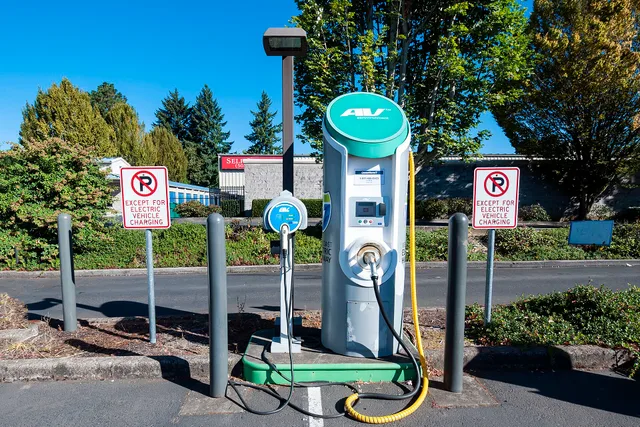
- Shared resident port
- On-site charging during defined windows
- Released-use window
- Limited access when another use is not scheduled
- Approved lower-power service
- Energy during a long dwelling period
- Current nearby information
- A list of possible public or workplace choices
What the notice should address
- Shared resident port
- Reservation, movement, price, and fault support
- Released-use window
- Time, eligibility, and automatic expiration
- Approved lower-power service
- Technical approval, parking, equipment, and billing terms
- Current nearby information
- Hours, access, payment, and the date checked
The temporary record should identify the service but not alter the original waitlist track unless the policy says that it does. A resident should know whether an interim session is a courtesy, a pilot, a paid service, or a substitute for a specific permanent offer.
Interim Charging Options Compared
Shared resident port
- What it provides
- Charging in set windows
- Notice must address
- Reservation, movement, price
- Support needed
- Fault support
Released-use window
- What it provides
- Access when unscheduled
- Notice must address
- Time, eligibility, expiration
- Support needed
- Automatic expiration
Lower-power service
- What it provides
- Energy for long dwell
- Notice must address
- Approval, parking, billing
- Support needed
- Equipment and billing terms
Describe the end event
Set an end date or a clear event: an offer of permanent access, a pilot close, construction completion, a change in vehicle status, or a project review. Avoid a temporary arrangement that rolls forward for months with no owner, budget, or measurable result.
The California Energy Commission publishes near-home charging demand material that distinguishes model estimates from actual site availability. CEC's near-home charging resource reinforces a practical point for property communications: availability and access should be checked before a nearby location is suggested as a resident solution.
Put conditions in the interim notice
The notice should name the option, eligible residents, operating hours, reservation rule, price, parking limit, end event, and support contact. It should also say whether access can be paused for maintenance, a safety event, or a demand conflict. A temporary service that has no stated end point or priority rule will create another informal queue.
The Department of Energy's multifamily charging guidance identifies parking, billing, electrical capacity, and operating policies as key multifamily project decisions. Even a short-term offer needs those basics settled. For example, a shared port can only be offered responsibly if the property can identify the space, the operating window, and how it will communicate an outage.
| Notice item | Why it is needed |
|---|---|
| Access window | Sets realistic expectations |
| Parking rule | Keeps the space available for charging |
| Cost terms | Lets residents decide before use |
| End event | Prevents an open-ended courtesy |
| Support path | Routes faults and access issues |
Check physical access before offering a space
A workable interim option must be reachable and safe to use. The U.S. Access Board's EV charging technical assistance addresses accessible routes, parking spaces, access aisles, equipment, and communication elements. Inspect the actual site and seek local advice before assigning a temporary bay that could block an accessible path or fail to meet site requirements.
Protect the long-term request
Write the position rule in the interim notice. For example, the policy may say that accepting shared access does not change the date of a complete request for an assigned charger. If the policy offers a different service track, explain the decision and let the resident choose with the current terms in hand.
Track use, failed attempts, support contacts, extra movement, and costs where the property can measure them. Those records show whether the temporary option helps or merely moves the problem to another time of day.
Provide a real support route
Give residents one way to report a blocked space, access failure, price question, or unsafe condition. State which situations require immediate safety action and which receive ordinary support. Do not ask a resident to handle damaged equipment or troubleshoot electrical components.
Keep a short operating log for the option: available windows, reservations, interruptions, reported problems, and the reason it ends. The National Archives' records management primer describes managing records through their life cycle. Apply a defined retention rule so the log supports a later review without becoming a permanent resident activity record.
Common questions
Does temporary access guarantee daily charging?
No. The notice should state its specific windows, capacity, and operating limits.
Can a nearby public charger replace the waitlist?
No. It may be useful information, but public hours, cost, and availability can change and are not the same as property-provided capacity.
Should a resident lose their date after using an interim port?
Only if the published policy clearly establishes a different track. The default should never be left to informal practice.