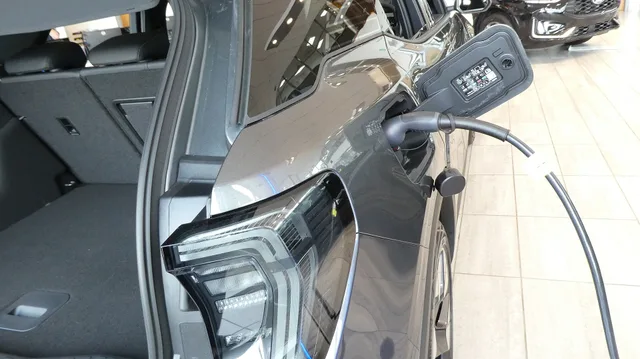
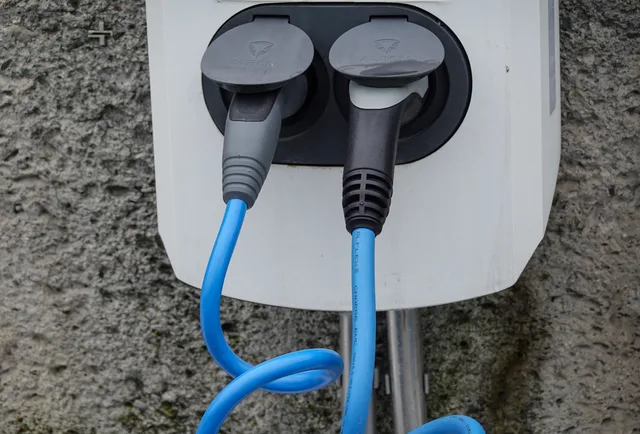
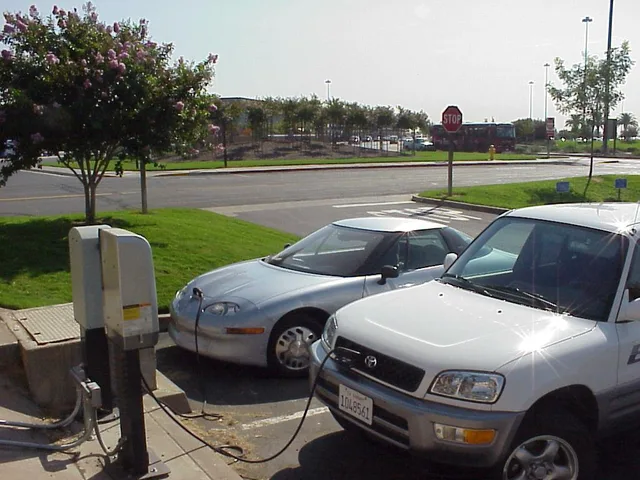
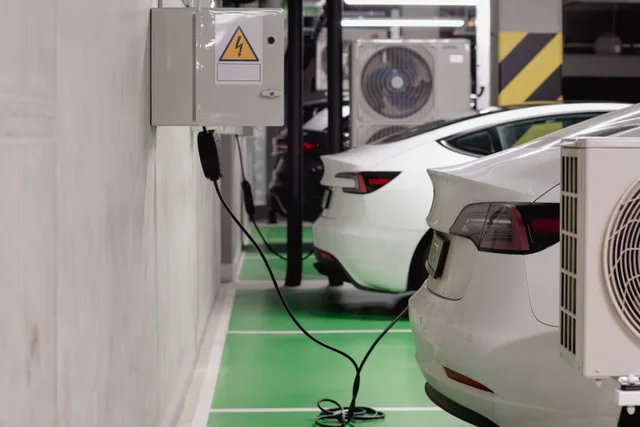
An apartment EV outlet inspection checklist for resident cords: compare each cord with the approval record, watch one session and decide to approve or pause.
Choose apartment EV outlets or hardwired chargers in 2027 by comparing resident service, equipment custody, power, billing, maintenance, cost, and change control.
A dual-port EV charger cost estimate for apartments should include installation, software, payment fees and shared-component repairs—not just the unit.
Scope dynamic EV load balancing in five work packages: discovery, integration, acceptance, operations and change reserve, plus incentives and contract terms.
Automatic EV load management questions to settle before you buy: control boundary, CT inputs, OCPP version, NEC 625.42 path, fallback and setting owners.
A framework for planning dual-port EV charging at apartments: port power states, stall pairing, cable reach, access, billing, failures, and a worked cost example.
Budget automatic EV load management in 2027 with discovery, equipment, communications, configuration, tests, support, records, change control, and renewals.
Automatic EV load management for property teams: the NEC 625.42 basis, the five-box signal map, fallback states, commissioning tests and change control.
Compare apartment EV subscription roles for 2027 across property ownership, station operations, provider access, resident support, maintenance, and change authority.
List apartment EV subscription terms for 2027 with a checklist for service scope, covered chargers, resident messages, renewals, support, and ownership.
An apartment EV charging permit check starts with the office that serves the address. Use city portals to find permit steps, code rules and filing guidance.
Apartment EV charging pilot evaluation: track sessions, energy, uptime and actual costs, then turn property and provider evidence into a decision brief.
Apartment EV charging rebate records guide for 2027 shows how to preserve program terms, project facts, approvals, and reimbursement questions without overclaiming.
Build an apartment EV charging eligibility worksheet: capture property facts, mark unknowns, and log the program questions only the program can answer.
Apartment EV charging local program map: check LADWP, Austin Energy, NYSERDA, SCE, Con Edison, and Maryland rules before you commit to permits, funding, or equipment
Apartment EV charger demand scenarios guide for 2027 helps teams compare low, stated, and higher-use planning inputs without representing a forecast as a fact.
Apartment EV charger location scenarios guide for 2027 helps teams compare proposed areas, source limits, and open conditions without treating a sketch as final.
An apartment EV charger provider scope defines the service request, records the packet and access limits, and separates provider findings from approval.
Apartment EV charger work-order guide for 2027 helps properties log a report, assigned scope, status, provider response, and closeout without diagnosing equipment.
Apartment EV charger safety response guide for property teams: log reports, use emergency and service routes, assign an owner, and keep residents informed.
Apartment EV charger project authorization recordkeeping for condos: separate consent from board decisions, preserve sources, and track open conditions.
Learn how to assess apartment EV power sharing methods by comparing allocation behavior, equipment, resident experience, operations, and test evidence.
Write an apartment EV power-sharing rule in 2027 that explains allocation behavior, resident expectations, support, open questions, and controlled updates.
Price seven apartment EV power sharing cost lines before 2027, from the allocation rule and resident onboarding to the controller reset nobody budgeted for.
Label each apartment EV charger cost figure as a planning range, proposal, approved amount, invoice, paid cost or superseded, and name the document behind it.
Apartment EV charger launch readiness for 2027 explains how to review a limited handoff packet, assign open items, and avoid treating planning as approval.
File the papers in an apartment EV charger precheck record by issuer: building department, utility, provider and contractor, with what each can and cannot show.
Apartment EV charger asset register guide for 2027 helps property teams record equipment identity, ownership, location, documents, changes, and open record gaps.
How to build an apartment EV charger commissioning file: documents to request, a one page index, an open items log, retention period and access control.
This guide gives the six fields for an apartment EV charger configuration record, how to log changes, who may approve them, and how to keep history traceable.
Use an annual EV charging roadmap review to assess utilization, reliability, access, costs, and maintenance, then choose to continue, adjust, expand, or pause.
A Level 1 apartment charging cost estimate carries survey, circuit, cord management, monitoring, billing, inspection and replacement lines, not just a receptacle.
Compare apartment Level 1 and low-power Level 2 charging using energy needs, dwell time, voltage, circuits, operations, who pays, and expansion evidence.
Level 1 apartment charging warning signs include heat, scorch marks, repeated GFCI trips, and unknown outlet history; stop use and get qualified review.
A practical fit check for Level 1 charging for multifamily housing: verify 120 V circuits, dwell time, cordset rules, billing method, and pilot results.
Renters cannot rewire a building they do not own. The five options that remain, what each one costs in convenience, and how to ask a landlord properly.
How building rules can affect EV charger installation: codes now write charging into new construction and renovation. What that means for your project.
Condo EV charging privacy concerns arise in session logs, payment records, resident apps and building networks. Learn what boards should limit and disclose.
The local electrician, not the charger vendor, turns a condo EV charging proposal into a permitted system: capacity, route, code, permits and utility work.
Apartment EV charging budget models compared: who funds the capital, who pays the electricity and who carries the risk, from free amenity to third-party.
Apartment EV charging stages from assessment to closeout: where commitments run ahead of cash, the four late surprises, and the last point to stop cheaply.
Compare condo EV charging products on access, power sharing, recurring fees and whether another operator could run them later, rather than on peak output.
HOA charging solutions compared on value, upkeep and fit, from owner-garage units to networked pedestals, with what each costs to run and who it suits.
Condo EV charging planning for boards: classify the parking, check your state's right-to-charge law, adopt a policy, and decide who owns the equipment.
Use this multifamily EV charging testing guide to baseline an installation and check resident access, billing, power sharing, offline recovery, and support.
A documented Green Rock case in Minneapolis, its 2019 charging costs and current range, plus EverCharge, Orange Charger, ChargePoint and make-ready designs.
Choose apartment EV outlets or hardwired chargers in 2027 by comparing resident service, equipment custody, power, billing, maintenance, cost, and change control.
A framework for planning dual-port EV charging at apartments: port power states, stall pairing, cable reach, access, billing, failures, and a worked cost example.
Automatic EV load management for property teams: the NEC 625.42 basis, the five-box signal map, fallback states, commissioning tests and change control.
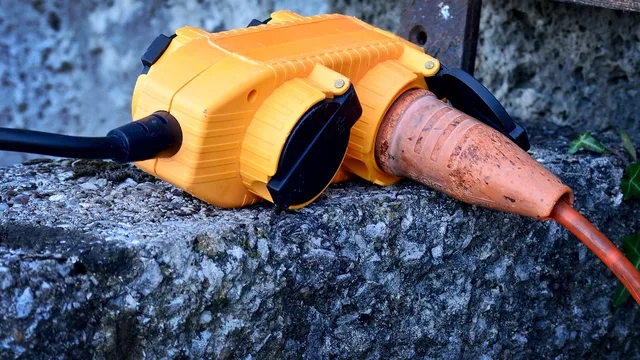
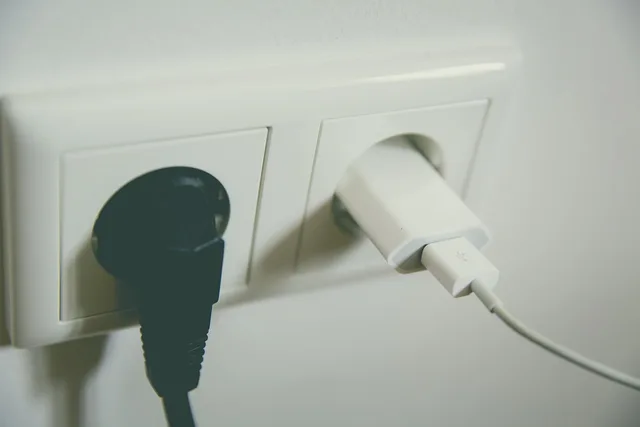
An apartment EV outlet inspection checklist for resident cords: compare each cord with the approval record, watch one session and decide to approve or pause.
EV outlet and hardwired charger warning signs include burned or melted parts, breaker and wiring mismatches, improper GFCI protection, and unlisted EVSE.